There is no straight answer to whether bumblebees can sting or not. This is because it all depends on whether the bumblebee is male or female. It is also essential to know the circumstances under which a bumblebee can sting you and the measures you can take to prevent it.
Do Bumblebees Sting?
The answer is both yes and no. Yes, because female bumblebees (bumble bees) can sting when they are startled, disturbed, or feel threatened. No, because male bumblebees do not have stingers and hence cannot sting.

The stinger in a female bumblebee is a modified ovipositor, which is the organ that females use to lay eggs. When a female bumblebee stings, she injects venom into the victim. Stinging is a way of defending the bumblebee and/or her nest.
Male bumblebees do not have stingers because they do not need them. Male bumblebees do not collect pollen or nectar, and they do not build nests. Their only role is to mate with the queen bumblebee.
Bumblebee Sting vs. Honeybee Sting
There is a close relationship between bumblebee and honeybee stings: their venom contains similar albumen structures. Hence people who are sensitive to bumblebees may have the same sensitivity to honeybees.
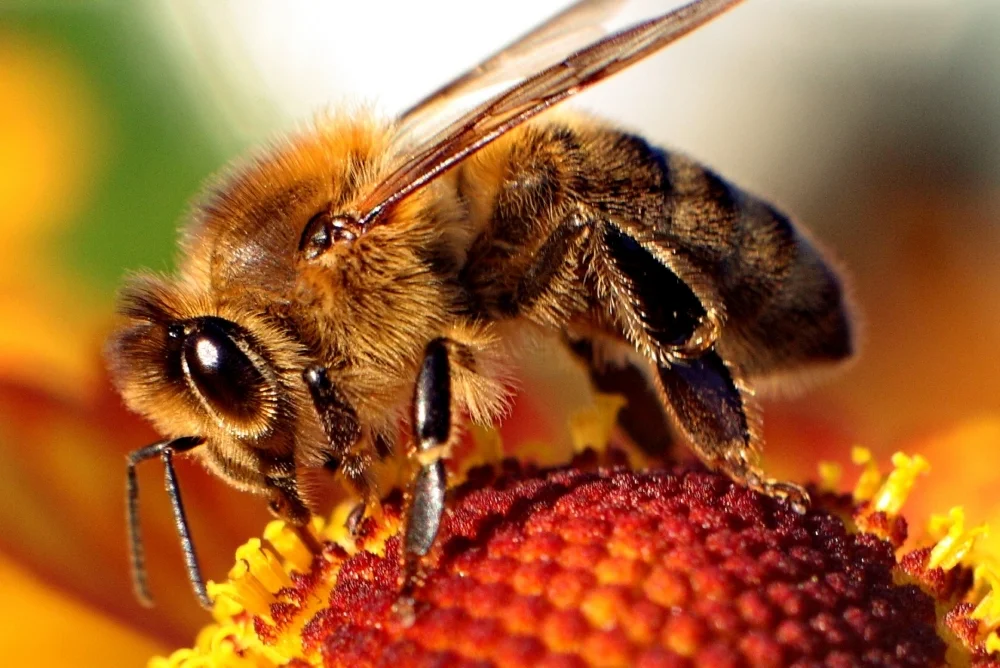
However, bumblebees are not as aggressive as other types of bees, such as honeybees. Bumblebees will only sting if they feel threatened or if their nest is disturbed. Also, the sting of a bumblebee is not as painful as the sting of a honeybee.
Nevertheless, the stinger of a bumblebee has barbs, which prevent it from being pulled out of the skin. On the other hand, the stinger of a honeybee does not have barbs, so it can be pulled out easily.
Symptoms of Bumblebee Sting
The venom of bumblebees contains proteins that can trigger an allergic reaction in some people. The severity of the allergic reaction can vary from person to person.
In most cases, a bumblebee sting will only cause a local reaction at the site of the sting. This may include:
- Redness
- Swelling
- Itching
- Pain
These symptoms are generally not considered severe and usually go away on their own within a few hours or days.
However, in other people, a bumblebee sting can trigger a more severe systemic allergic reaction, known as anaphylaxis. Anaphylaxis is a life-threatening allergic reaction that can cause a number of symptoms, including:
- Hives
- Swelling of the face, tongue, and throat
- Difficulty breathing
- Dizziness or fainting
- Low blood pressure
- Shock
The severity of the allergic reaction to a bumblebee sting can also depend on the following factors:
- The number of stings: Allergic reactions are likely to be more severe if you get stung many times.
- The location of the sting: Some areas of the body such as around the eyes are more sensitive and hence may be affected more by bumblebee skin stings.
- The person’s sensitivity to bee venom: Different people may react to bumblebee stings more severely than others because of their genetic makeup.
Bumblebee Sting Precautions
Take precautions against issues that may worsen bumblebee stings. These include taking certain drugs, consuming alcoholic drinks, or engaging in physical activities that involve a lot of effort.
Medicine Interaction
Some painkillers and anti-inflammatory drugs such as aspirin and ketoprofen, as well as hypertension medicines such as ACE inhibitors and beta blockers, can worsen reaction of bee sting reactions [1] [2].
If you have a greater chance of getting stung, for example, because of your job duties, you should suspend the use of such medicines before and after being stung. In the case you cannot avoid using these drugs, then you must try to prevent being stung by the bees, for example by not working near beehives.
Alcoholic Drinks
After a bumblebee sting, it is advised to avoid alcoholic drinks as this may worsen the bumblebee sting reactions as is the case with honeybees [3]
Physical Activity
Also, avoid heavy physical efforts such as long walks and workouts. The increased blood flow due to these activities may cause the venom to move to different areas of your body. This might result in avoidable widespread reactions in other areas of your body [4].
Bumblebee Sting Treatment
Treating a bumblebee sting is more effective if you take quick action upon realizing that you have been stamped by it. Here are the steps on how to treat a bumblebee sting:
- Remove the stinger as quickly as possible to avoid further injection of venom into your skin. You can use a credit card, your fingernail, or tweezers to remove the stinger. Be careful not to squeeze the stinger, as this can release more venom.
- Wash the sting area with soap and water. This will help to remove any remaining venom and dirt.
- Apply a cold compress to the sting area. This will help to reduce pain and swelling. You can use an ice pack, a bag of frozen peas, or a cold compress that you can buy at the pharmacy.
- Take an over-the-counter antihistamine, such as diphenhydramine (Benadryl). This will help to reduce itching and swelling.
You can still make the treatment more effective and/or less painful with these additional tips for treating a bumblebee sting:
- Avoid scratching the sting area. This can make the itching worse and increase the risk of infection.
- If the sting is on an arm or leg, elevate the limb. This will help to reduce swelling.
- If you have a history of allergic reactions to bees, you should talk to your doctor about carrying an EpiPen. An EpiPen is a device that can deliver a shot of epinephrine, which can help to stop an allergic reaction.
However, if you experience any of the following symptoms after being stung by a bumblebee, you should seek medical attention immediately:
- Difficulty breathing
- Swelling of the face, tongue, or throat
- Dizziness or fainting
- Hives or welts
- Nausea or vomiting
- Rapid heartbeat
These symptoms can be a sign of an allergic reaction, which can be life-threatening.
Desensitization to Bumblebee Venom
Desensitization is a long-term process that can help people with allergies to gradually become less sensitive to the allergen. It is not a cure, but it can help to reduce the severity of allergic reactions.
Desensitization for bumblebee sting can be done through a process called venom immunotherapy. This involves first injecting small amounts of bumblebee venom under the skin over a period, followed by a gradual increase of the venom with time. The goal is to eventually reach a level where the person can tolerate the venom without having an allergic reaction.
Venom immunotherapy is usually done in a doctor’s office or allergy clinic. Injections are given once or twice a week for several months. After the initial treatment period, injections are usually given less often, such as once a month or every few months.
Venom immunotherapy is a safe and effective treatment for bumblebee allergies. However, it is important to work with a qualified doctor or allergist who can monitor your progress and make sure that the treatment is safe for you. The benefits of venom immunotherapy:
- It can help to reduce the severity of allergic reactions to bumblebee stings.
- It can help to prevent anaphylaxis, which is a life-threatening allergic reaction.
The drawbacks of venom immunotherapy include it being a bit expensive, time-consuming, and exposing you to a small risk of an allergic reaction during treatment.
How to Prevent Bumblebee Stings
Here are some tips on how to prevent bumblebee stings, especially when you are at the risk of being stung by them:
- Be aware of your surroundings. If you are outdoors and near flowers or areas where bumblebees are active, be careful not to disturb them.
- Avoid wearing floral-scented products. Like other bees, bumblebees like floral or fruity scents. If you use hair or skincare products that smell like fresh flowers, bees may mistake you for one.
- Avoid Strong perfumes: Bees are very sensitive to smells. Strong perfumes may mimic the smell of flowers and attract the bumblebees towards you. The bumblebees may end up stinging you in self-defense. Interestingly, strong perfumes might irritate the bees, making them more likely to sting.
- Stay calm. Like other bees, bumblebees aren’t aggressive insects and only sting to protect themselves. If you swat at bees or try to shoo them away, you put yourself more at risk of getting stung. If you stay calm and let the bee pass by, it’ll go away without harming you.
- Do not disturb bumblebee nests. If you find a bumblebee nest, do not disturb it. If you do, the bees may become aggressive and sting you.
- Wear protective clothing. Choose clothing items that cover your skin, like long sleeves and pants, especially if you’re working or playing outdoors. It’s very easy to step on a bee, so wear close-toed shoes instead of bare feet when walking in the grass.
- Call a pest control professional if you have a bumblebee problem. If you have a bumblebee problem, you may need to call a pest control professional. They will be able to remove the nest safely and prevent the bees from stinging you.
It is important to note that no method of prevention is the sure way to avoid problems with bumblebees. But if you happen to be stung by a bumblebee, the best thing to do is to remove the stinger as quickly as possible and apply a cold compress to the area. If you have a severe allergic reaction, seek medical attention immediately.
Conclusion
Female bumblebees can sting only if disturbed or threatened. However, male bumblebees do not sting as they do not have stings.
To avoid being stung by bumblebees, stay calm, do not provoke them, do not disturb their hives, and avoid wearing floral-scented products.
If bumblebees sting you, remove the stinger as quickly as possible. Wash the sting area with soap and water. Apply a cold compress to the sting area. You may need to also take an over-the-counter antihistamine, such as diphenhydramine (Benadryl).
In most cases, a bumblebee sting will only cause a local reaction at the site of the sting. This may include swelling, redness, pain, and itching. These symptoms usually go away on their own within a few hours or days.
However, if you happen to be stung by several bumblebees or have a severe allergic reaction (anaphylaxis), you need to immediately seek medical attention. Symptoms of severe reaction include hives; difficulty in breathing; dizziness or fainting; and swelling of the face, tongue, and throat.
References
- NSAIDs May Provoke Systemic Allergic Reactions To Bee Stings: https://www.consultant360.com/story/nsaids-may-provoke-systemic-allergic-reactions-bee-stings
- Desensitization to Bee and Wasp Venom: https://www.medsafe.govt.nz/profs/puarticles/bee.htm
- Ethanol-Induced Effects on Sting Extension Response and Punishment Learning in the Western Honey Bee (Apis mellifera): https://www.ncbi.nlm.nih.gov/pmc/articles/PMC4079248/
- Bee sting reactions can worsen: https://www.thetowntalk.com/story/life/2015/09/20/bee-sting-reactions-can-worsen/72547200/
- Like
- Digg
- Del
- Tumblr
- VKontakte
- Buffer
- Love This
- Odnoklassniki
- Meneame
- Blogger
- Amazon
- Yahoo Mail
- Gmail
- AOL
- Newsvine
- HackerNews
- Evernote
- MySpace
- Mail.ru
- Viadeo
- Line
- Comments
- Yummly
- SMS
- Viber
- Telegram
- Subscribe
- Skype
- Facebook Messenger
- Kakao
- LiveJournal
- Yammer
- Edgar
- Fintel
- Mix
- Instapaper
- Copy Link